
When it comes to home comfort, an efficient HVAC (Heating, Ventilation, and Air Conditioning) system is essential. It helps regulate temperature, improve air quality, and maintain a comfortable living environment. However, like any complex system, HVAC systems can experience issues from time to time.
In this blog, we will discuss some common HVAC system repair issues and provide quick fixes to address them. Whether it's a non-working thermostat, dirty air filters, or clogged drain lines, we have you covered. By understanding these common problems and their solutions, you can save time, money, and the hassle of calling a professional.
Regular maintenance and a few simple troubleshooting steps can often resolve many HVAC issues. However, it's important to know when it's best to call a professional for repairs. By following the tips and solutions provided in this blog, you can keep your HVAC system running smoothly and efficiently all year round.
Before we delve into common repair issues and their solutions, let's first understand the basics of an HVAC system. An HVAC system is responsible for regulating temperature, humidity, and air quality in residential and commercial buildings. It typically consists of an air conditioner, a heating system (such as a furnace or heat pump), and a ventilation system.
The air conditioner is responsible for cooling the air, while the heating system provides warmth during colder months. The ventilation system ensures proper air circulation and removes stale air. Understanding how these components work together is essential in troubleshooting and resolving HVAC system problems.
An HVAC system is composed of several key components, each with its specific function. The fan motor is responsible for circulating air throughout the system and the building. It ensures proper airflow and helps distribute heated or cooled air.
The evaporator coil is located inside the air handler and plays a crucial role in cooling. It removes heat from the air, allowing it to cool down before being circulated back into the building. On the other hand, the condenser coil is located in the outdoor unit and releases the heat absorbed from the indoor air.
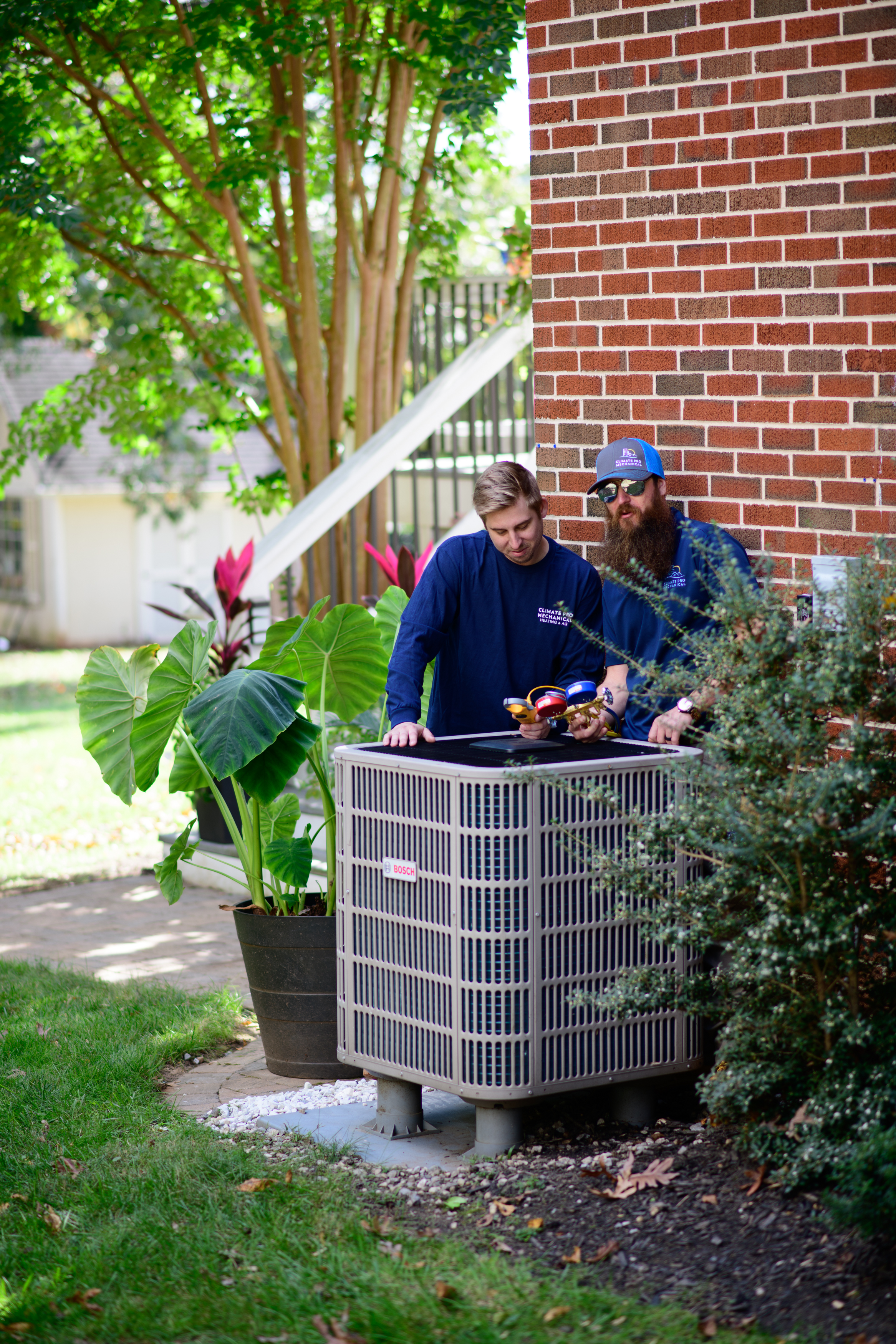

Understanding the functions of these components can help identify issues when the HVAC system is not functioning properly. By knowing which component is responsible for a specific problem, you can troubleshoot and fix it more effectively.
Regular maintenance is crucial for the efficient operation of an HVAC system. However, there are certain signs that indicate your HVAC system needs immediate attention. By being aware of these signs, you can address HVAC system problems promptly and avoid further damage. These signs include:
Even with regular maintenance, HVAC systems can experience common problems. These issues can range from simple fixes to more complex repairs. By addressing these common problems, you can restore the functionality of your HVAC system and avoid the need for professional repairs. Here are some common HVAC problems and quick fixes.
IMPORTANT: While many HVAC issues can be resolved with a few simple fixes, there are times when it's best to call a professional for repairs. Here are some situations when you should contact an HVAC technician:
- Complex electrical issues: If you're experiencing electrical problems with your HVAC system, it's best to leave the repairs to a professional.
- Issues that require specialized tools or equipment: Certain HVAC repairs may require specific tools or equipment that only professionals have.
- Lack of expertise: If you're unsure about the cause of the problem or how to fix it, it's best to consult a professional HVAC technician.
-Fire hazards: Electrical issues in an HVAC system can pose a fire hazard. A professional can identify and resolve these issues.
- Carbon monoxide leaks: Carbon monoxide leaks can be dangerous and potentially fatal. A professional can detect and fix leaks.
If your air conditioner is not turning on, check the thermostat settings and make sure it is set to cool. Additionally, check the electrical panel for a blown fuse or a tripped circuit breaker.
If the HVAC system keeps blowing fuses, it may be due to an electrical issue. Check the electrical connections and wiring for any loose connections or damage. If necessary, replace the blown fuse.
Dirty air filters can significantly impact the efficiency and performance of your HVAC system. Regularly changing the air filters is essential for maintaining optimal airflow and energy efficiency. Here's how to change dirty air filters:
-Locate the air filter: The air filter is usually located in the return air duct or near the HVAC unit.
-Remove the old filter: Carefully remove the old filter by sliding it out of its slot.
-Insert the new filter: Insert the new filter, making sure it is facing the correct direction (check the arrow on the filter).
-Secure the filter: Ensure that the filter is securely in place and properly sealed.
By regularly changing the air filters, you can improve the air quality in your home and enhance the efficiency of your HVAC system.
Make sure the thermostat is set to the desired temperature and mode (cooling or heating).
Look for any tripped circuit breakers or blown fuses related to the HVAC system. Reset the breaker or replace the fuse if necessary.
Inspect the wiring connections behind the thermostat. Ensure that they are secure and not damaged.
Preparing your HVAC system for the summer months is essential for maintaining its efficiency and performance. Here are some steps to prepare your HVAC system for summer:
-Check refrigerant levels: Low refrigerant levels can affect the cooling capacity of your system. If necessary, contact a professional to replenish the refrigerant.
-Clean the condensing coil: The condensing coil can accumulate dirt and debris, reducing its efficiency. Clean the coil to improve heat transfer.
-Monitor energy costs: If you notice a sudden increase in energy costs, it may indicate an issue with your HVAC system. Schedule a professional inspection to identify and address any problems.
By taking these steps, you can ensure that your HVAC system is ready to handle the summer heat efficiently.
If your thermostat is battery-operated, replace the batteries to ensure proper functioning.
To keep your HVAC system running smoothly throughout the year, it's important to perform seasonal maintenance. Here are some tips for seasonal HVAC maintenance:
-Preparing your HVAC system for summer: Check refrigerant levels, clean the condensing coil, and inspect the system for any potential issues.
-Winterizing your HVAC system: Insulate exposed pipes, clean the heat pump, and ensure proper airflow by removing any obstructions.
-Consider upgrading to a new HVAC system: If your current system is old and inefficient, upgrading to a new energy-efficient system can save you money in the long run.
Clogged AC drain lines can cause water to accumulate and damage your HVAC system. Here's how to unclog AC drain lines:
-Locate the drain line: The drain line is usually located near the indoor unit of your AC system.
-Turn off the AC unit: Before unclogging the drain line, turn off the AC unit to prevent any accidents.
-Clear the blockage: Use a wet/dry vacuum to suction out the blockage in the drain line. Alternatively, you can use a pipe brush or a gently curved wire to clear the clog.
-Flush with water: Once the blockage is cleared, flush the drain line with water to ensure it is fully unclogged.
Regularly unclogging the AC drain lines can prevent water damage and maintain the efficiency of your cooling system.
Winterizing your HVAC system is crucial for optimal performance during the colder months. Here are some steps to winterize your HVAC system:
-Insulate exposed pipes: Insulating exposed pipes helps prevent freezing and potential damage.
-Clean the heat pump: Remove any debris and clean the heat pump to ensure efficient operation.
-Ensure proper airflow: Remove any obstructions around the outdoor unit to maintain proper airflow.
-Monitor energy savings: A well-maintained HVAC system can lead to energy savings during the winter months.
Regularly unclogging the AC drain lines can prevent water damage and maintain the efficiency of your cooling system.
 Testimonials
Used HVAC and Heating System Installation Services

Used HVAC Repair Services

Used AC Install Services

Used Heating, AC, and HVAC System Repair

Used HVAC Repair Services

Used AC Install Services