
Installing a new furnace is a significant decision for any homeowner. Understanding the basics of furnace installations is crucial to ensure optimal performance and safety. From selecting the right type of furnace based on your heating needs to considering energy efficiency and proper sizing, each step plays a vital role in the installation process. By evaluating your home’s existing ductwork, obtaining necessary permits, and working with a certified HVAC contractor, you can streamline the installation journey. This guide will walk you through the essential steps, from pre-installation considerations to post-installation checks, providing insights into a seamless furnace installation experience.
When selecting a new furnace, consider various types available, such as gas, electric, or oil furnaces. Gas furnaces are common and efficient, running on natural gas. Electric furnaces are simpler but may be less energy-efficient. Oil furnaces are an option in areas without gas lines. To choose the right one, evaluate factors like the fuel type available in your area, the size and layout of your home, and desired energy savings. Consult an HVAC professional to assess which type aligns best with your heating needs and budget. Make an informed decision based on efficiency, cost, and suitability for your home.
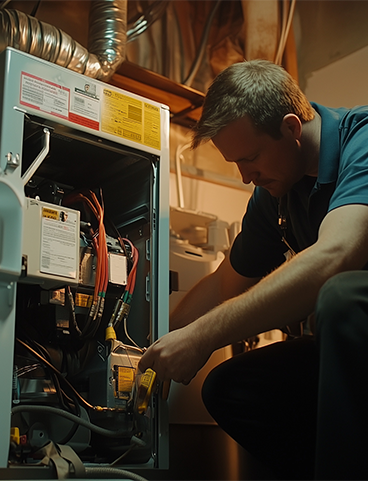

Before commencing furnace installations, ensure you secure the required permits and schedule safety inspections. Permit regulations vary based on location and the type of furnace being installed. Safety inspections are crucial to verify compliance with building codes and ensure safe operation. Failure to obtain permits or pass inspections can result in fines and pose risks to occupants. Hiring a certified HVAC professional guarantees adherence to regulations and standards, easing the permit acquisition process and confirming a safe installation. Remember, the safety of your home and family relies on proper permits and inspections.
Before initiating furnace installations, preparing the installation site is crucial. Clearing the designated area ensures safety and efficiency during the process. This step involves creating ample space for the new furnace unit, ensuring access to necessary utilities such as gas and electrical connections. Additionally, verifying that the site meets all local building codes and regulations is imperative. Proper preparation minimizes complications and streamlines the installation process. Evaluating the site beforehand helps the HVAC professional plan effectively, resulting in a successful and hassle-free furnace installation.
When it’s time for furnace installations, removing the old furnace is a crucial step in the process. The HVAC contractor will disconnect all fuel lines, gas lines, and air ducts connected to the old unit. This ensures a safe transition to the new furnace without any hazards. The removal also involves proper disposal of the old furnace, which may contain hazardous materials. Professional HVAC professionals are equipped to handle this task efficiently and in compliance with regulations. By efficiently removing the old furnace, the stage is set for a successful installation of the new, more energy-efficient unit.
When installing the new furnace unit, ensure it matches your home’s heating needs. Select between gas, electric, or oil furnaces based on energy efficiency and fuel availability. Position the furnace correctly for optimal airflow and heating distribution. Check for proper electrical connections and reliable gas supply for gas furnaces. Seal all ductwork connections securely to prevent air leaks. Test the unit for functionality and efficiency once installed. Hiring a professional HVAC installer guarantees a correct and safe installation process, ensuring your new furnace operates at peak performance.
During furnace installations, ensuring proper venting and airflow is crucial for the system’s efficiency and your safety. Proper venting removes harmful byproducts like carbon monoxide, while good airflow guarantees even heating throughout your space. Your HVAC contractor will assess the venting system to prevent any blockages that could hinder the furnace’s operation. They will also verify the air ducts to maximize airflow and prevent air stagnation. By adhering to these measures, you can guarantee optimal performance from your new furnace while maintaining a safe indoor environment. Regular maintenance will help uphold these standards over time.
After completing the furnace installation, it is crucial to conduct a safety and efficiency test to ensure optimal performance. This test involves checking all connections, verifying proper venting to prevent carbon monoxide leaks, and confirming adequate airflow for efficient operation. Additionally, the test includes examining the thermostat calibration and system controls to guarantee accurate temperature regulation. By conducting this test, potential hazards can be identified and rectified early on, ensuring a safe and energy-efficient heating system for your home. Remember, regular maintenance and testing are key to the longevity and effectiveness of your furnace.
 Testimonials
Used HVAC and Heating System Installation Services

Used HVAC Repair Services

Used AC Install Services

Used Heating, AC, and HVAC System Repair

Used HVAC Repair Services

Used AC Install Services